


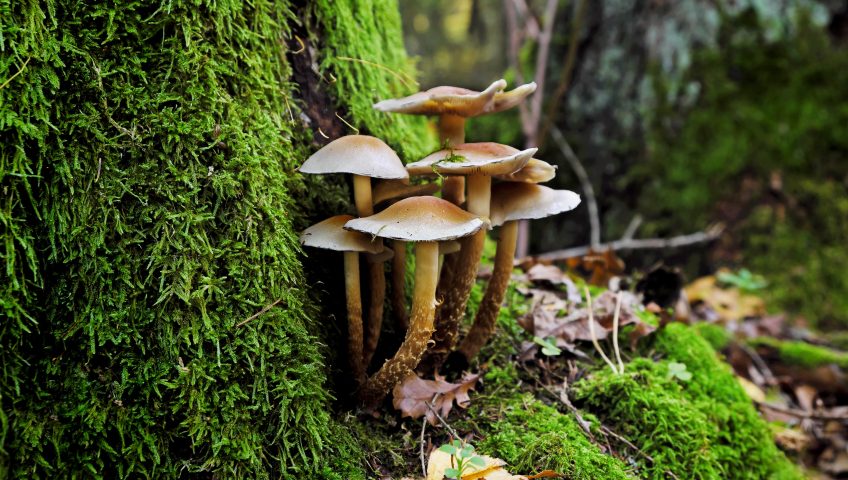
Mushrooms growing on trees might seem harmless or even charming at first glance. But for Ontario homeowners, recognizing the presence of tree fungi is more than a matter of curiosity. In many cases, mushrooms can be a red flag for internal decay, disease, or structural instability. Knowing which types of fungi grow on trees in Ontario, what they mean, and when to take action can help you preserve the health, safety, and lifespan of your landscape. In this guide, we’ll explore some of the most common tree mushrooms in Ontario, what they indicate, and how to respond when you spot one.
Common Tree Mushrooms Found in Ontario
Identifying mushrooms on your tree can help you understand whether they’re part of a harmless ecosystem or signs of a serious issue. Here are several types frequently seen in Ontario:
1. Artist’s Conk (Ganoderma applanatum)
This hard, woody shelf fungus grows on trunks and large branches. It may look beautiful, but it feeds on the wood internally, weakening your tree over time.
Found on: Maples, beeches, and oaks
Risk Level: High. Signals decay and structural weakness
2. Turkey Tail (Trametes versicolor)
Colorful and thin, these fungi resemble the tail of a wild turkey. While sometimes found on deadwood or fallen limbs, presence on a living tree can indicate rot in progress.
Found on: Deciduous hardwoods
Risk Level: Moderate. May suggest dead tissue or decline
3. Honey Fungus (Armillaria spp.)
This aggressive fungus is often yellowish-brown and grows in clusters at the base of a tree. It’s notorious for killing healthy trees by attacking roots and bark.
Found on: Various hardwood and conifer species
Risk Level: Severe. Often a sign of irreversible damage
4. Birch Polypore (Piptoporus betulinus)
Often found growing exclusively on birch trees, these round, pale fungi are typically a sign that the tree is already in decline or dead.
Found on: Birch trees
Risk Level: High. Appears in late stages of decay
Are Mushrooms on Trees Always a Bad Sign?
Not necessarily — some fungi feed only on dead wood and pose no direct threat to tree health. However, many are indicators of internal decay, which can compromise structural stability over time. Even if your tree looks healthy on the outside, mushrooms could be warning you of rot deep within the trunk or roots.
If you spot fungi growing directly out of the trunk or root flare, especially near open wounds or cracks, it’s important to get a professional arborist’s assessment.
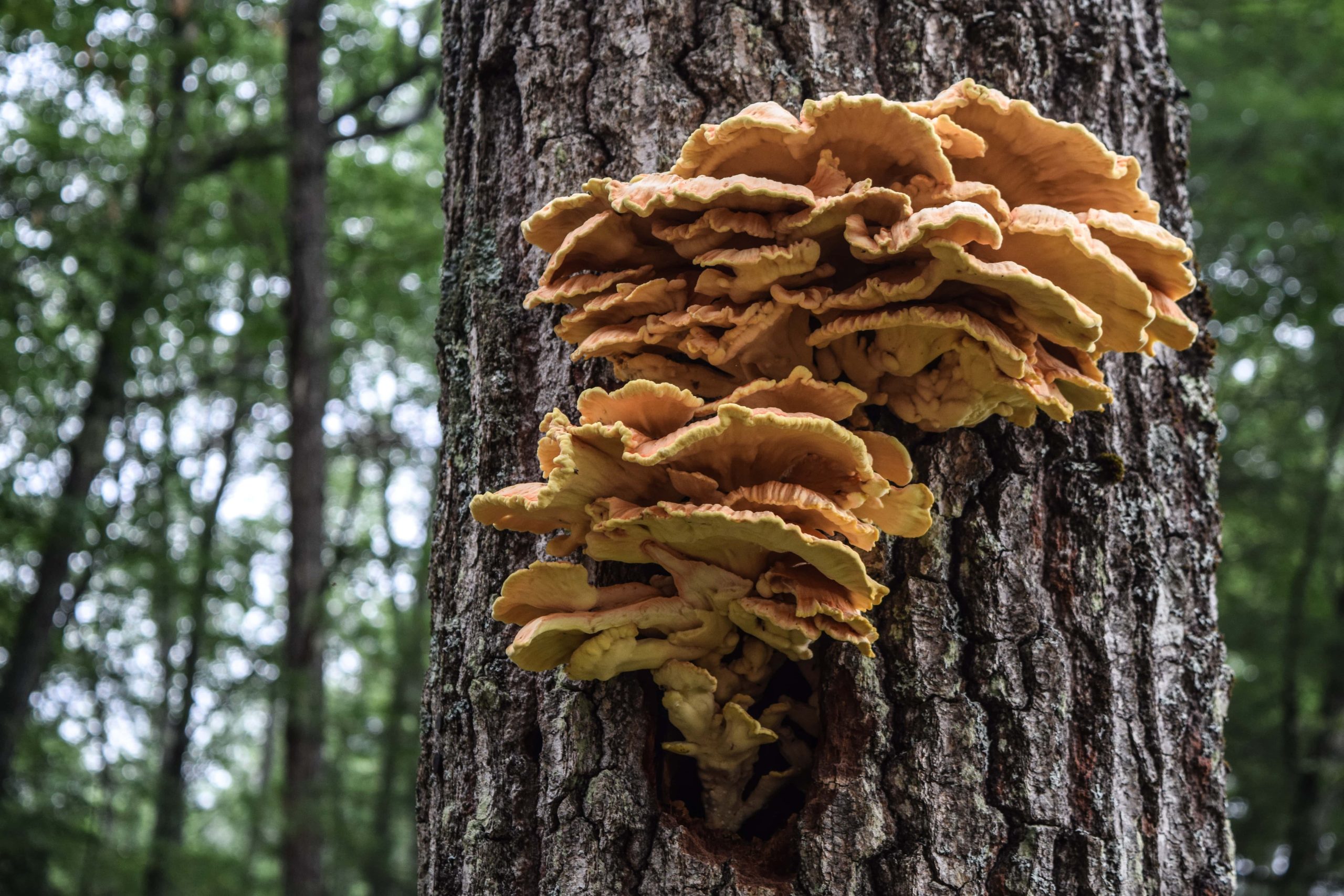
Tree Fungus vs. Ground Mushrooms: What’s the Difference?
It’s common for mushrooms to grow in moist soil near trees and that’s usually harmless. The key difference is location:
-
Tree mushrooms grow on bark, trunks, limbs, or roots. Often indicate decay.
-
Soil mushrooms grow in mulch or turf. Typically part of the natural ecosystem.
If the fungus is attached to living tree tissue, it’s time to investigate further.
When to Call a Certified Arborist
If you notice any of the following signs, it’s best to contact a professional:
-
Mushrooms growing from the base or trunk of a tree
-
Large bracket or shelf fungi
-
Soft or hollow-sounding wood
-
Cracks, oozing sap, or peeling bark near fungus
-
Sudden leaf drop or thinning canopy
An ISA-certified arborist can determine whether the tree is structurally sound, whether it can be treated, or if tree removal is necessary to protect surrounding structures.
Conclusion
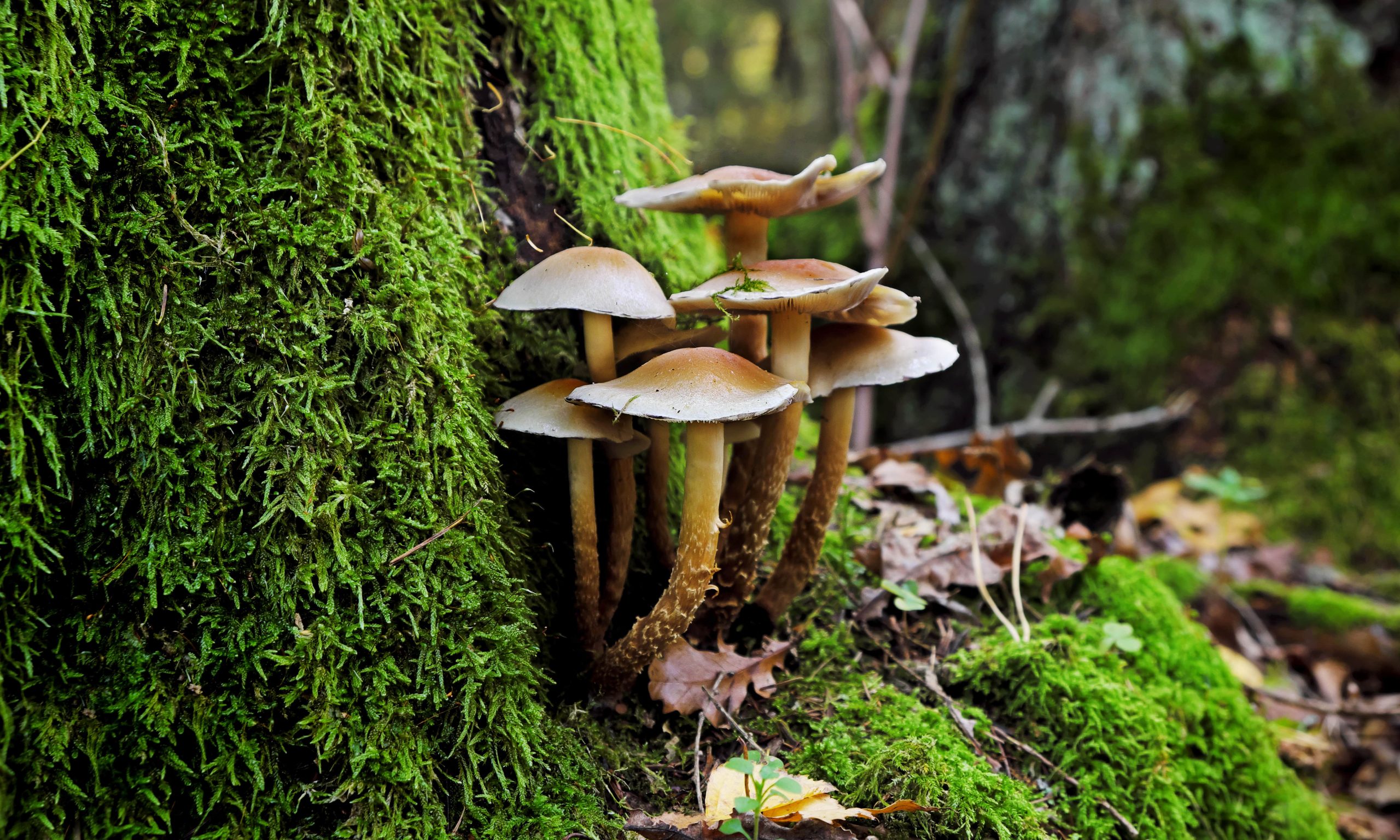
Tree mushrooms are more than just a visual oddity — they can be early warning signs of internal decay, disease, or structural instability in your trees. Whether it’s Turkey Tail, Artist’s Conk, or Honey Fungus, proper identification is the first step in protecting your property. While not all fungi are harmful, those growing on living tree tissue should never be ignored. If you’re unsure about the health of your trees or have spotted unusual growths on the trunk or branches, it’s time to call in the professionals. At Croft Tree Experts, our ISA-certified arborists specialize in tree disease diagnosis, fungus assessment, and tree health management throughout Ottawa.
Professional Help for Tree Health in Ontario
At Croft Tree Experts, our certified arborists provide professional tree assessments, tree disease diagnosis, and safe tree removal services throughout Ottawa and surrounding regions. If you suspect a fungus is affecting your tree, don’t wait until damage becomes irreversible.


