South Mountain’s Certified Arborists for EAB-Affected and Rural Tree Care
Ash tree decline and rural tree growth continue to shape properties across South Mountain. We provide arborist services that help you manage tree care with confidence.
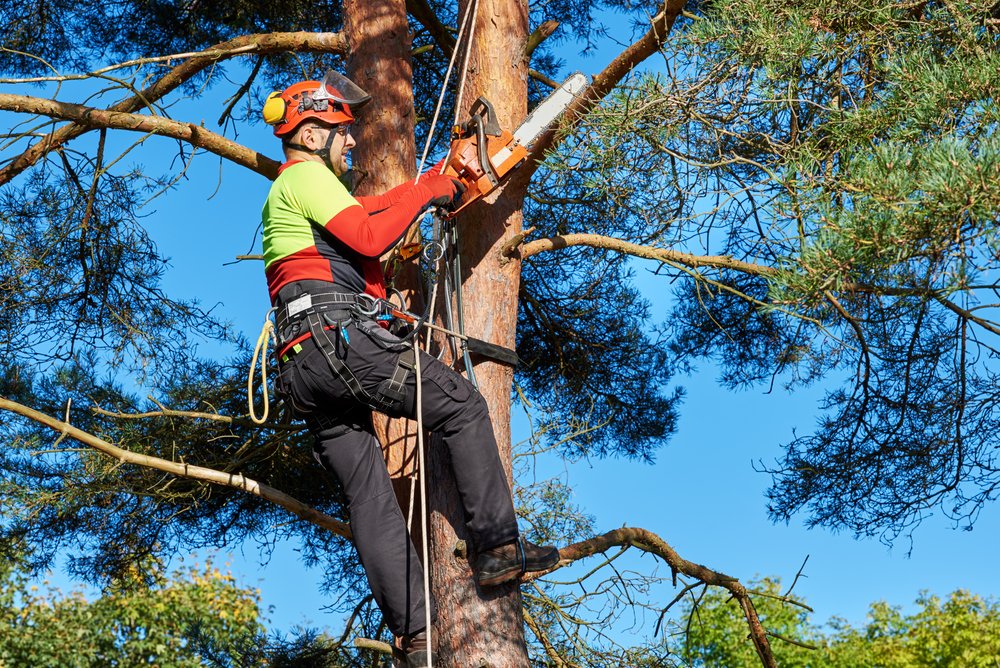
Tackling South Mountain’s Aging Tree Canopy with Professional Arborist Services
South Mountain’s tree canopy has changed over the years as the Emerald Ash Borer has affected ash trees across residential, rural, and agricultural properties. Mature maples and elms on older lots also continue to require ongoing monitoring, pruning, and long-term care.
A certified tree arborist working in South Mountain needs to recognize these changing conditions and provide the right combination of tree removal, preservation, replanting, and emergency tree services based on what each property and tree requires.
Our Tree Services
Rural properties in South Mountain often require tree care and emergency services that are planned around mature ash trees, open space, and seasonal conditions.Tree Removal
Declining ash trees and mature growth near barns, sheds, and fence lines often require a controlled removal approach. Our tree arborist team manages tree removal with careful attention to access, surrounding structures, and overall property layout.
Tree Pruning
Overextended limbs and crowded canopy growth can affect tree balance and overall structure. Structural tree pruning and tree trimming help improve branch spacing, airflow, and long-term canopy health.
Stump Grinding
Old stumps can interfere with mowing paths, landscaping projects, and future planting areas across larger rural lots. Stump grinding clears the remaining wood below ground level, while stump removal helps prepare the area for future use.
Hedge Trimming
Cedar rows, windbreaks, and privacy hedges benefit from regular seasonal maintenance. Our hedge trimming service helps maintain fuller growth, cleaner lines, and a more consistent appearance throughout the property.
Tree Mulching
Dry summers and changing soil moisture can affect root conditions over time. Mulching helps support healthier soil conditions while protecting the root zone around the base of the tree.
Tree Planting
Adding new trees to a rural property works best when the species matches the surrounding soil, drainage, and available growing space. Our tree-planting service helps promote healthier, long-term growth while fitting naturally into your landscape’s layout.
Tree Cabling
Some mature trees develop heavy lateral limbs or weaker branch unions as they age. Tree cabling provides additional support while helping maintain canopy stability during changing seasonal weather.
Emergency Tree Services
Strong winds, ice accumulation, and storm damage can quickly affect trees across open rural properties. Our emergency tree services focus on clearing hazards safely and restoring access around the property.
South Mountain Homeowners Count on Croft Tree Experts – Here’s Why
Tree care across South Mountain properties often involves mature ash trees, open rural spaces, and changing seasonal conditions, all of which require experienced arborist oversight. Our ISA Certified Arborists provide tree removal, pruning, hedge trimming, tree planting, and emergency services, backed by full liability insurance and WSIB-covered crews on every project.
We have worked with rural property owners across Ottawa, drawing on more than 65 years of combined industry experience to manage a wide range of tree care needs. Homeowners continue working with us for practical recommendations, reliable scheduling, and careful artistry throughout the job.

EAB, Wetlands and Clay Soil – Why South Mountain Tree Removal Requires a Certified Arborist
Clay-heavy soil, aging ash trees, and larger rural lots can all influence how tree work is planned and completed. Our tree arborist team manages removals, canopy care, stump grinding, and emergency tree services with approaches suited to the layout and growing conditions of your property.
Book your free assessment with our tree arborist team today.
South Mountain Tree Removal | FAQ
South Mountain’s rural landscapes and aging ash trees often require a different approach to tree care and maintenance. Here are questions we commonly hear from homeowners.
Accordions
Permit requirements can vary based on the condition of the tree, the property classification, and where the tree is located on the lot. Dead or hazardous ash trees may qualify under different removal requirements in some situations.
Bur oak, sugar maple, red maple, silver maple, and white spruce are commonly planted after ash tree removal projects in South Mountain. Drainage, available space, and wind exposure all help determine the best replacement option.
Some rural and agricultural properties may qualify for local or provincial planting programs depending on the project and property type. Program availability can change throughout the year, so local township and conservation programs are usually the best place to confirm current options.
Many rural removals involve barns, fenced areas, storage buildings, and narrow working access. In these situations, climbing and controlled rigging methods often work better than large removal equipment.
Thinning canopy growth, bark changes, and dead upper branches can all point to declining tree health. A tree arborist inspection can help determine whether pruning, monitoring, or tree removal is the most suitable next step.