

By Croft Tree Experts | Nov 19, 2026
Beech leaf disease is one of the newest threats to beech trees in Ontario, and it starts in a place most people never think to look: inside the buds. A microscopic worm-like nematode feeds on the developing leaves, and by the time they open in spring, the damage is already done.
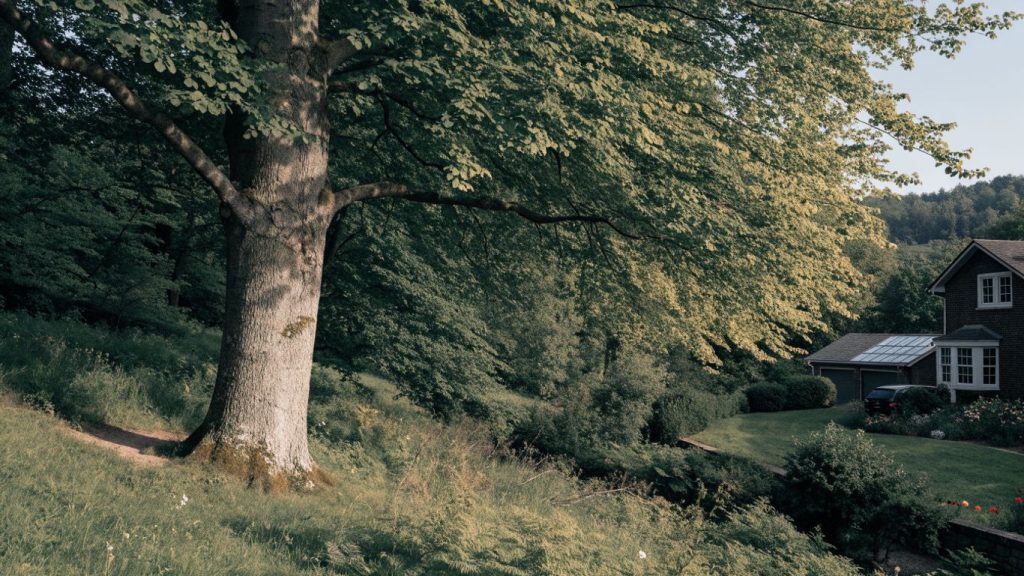
American beech is a familiar sight in woodlots, ravines and larger yards around Ottawa, with its smooth grey bark and coppery leaves that hang on well into winter. The disease has been moving east through southern Ontario since it was first found in the province, so beech owners here have good reason to know what it looks like. The best time to check is late spring, right after the leaves unfold, when the telltale stripes are easiest to spot.
Key Takeaways
- Beech leaf disease is caused by a microscopic nematode, not an insect or a fungus.
- The first sign is dark green stripes between the leaf veins, easiest to see from underneath the leaf.
- It is confirmed in the lower half of southern Ontario, and it may keep spreading.
- There is no cure yet, so early diagnosis matters most for valuable trees.
- Moving beech leaves, seedlings or firewood out of affected areas can spread it to new places.
What Is Beech Leaf Disease?
Beech leaf disease is a disease of beech trees linked to a tiny nematode called Litylenchus crenatae ssp. mccannii. The nematode overwinters inside the buds and feeds on the leaf tissue before the leaves ever open. Researchers are still working out exactly how the disease develops, but the nematode is found in the leaves and buds of every infected tree.
It was first discovered in North America in Ohio in 2012 and has spread quickly since then, crossing into Ontario a few years later. It affects beech trees of every age, from small saplings in the understorey to mature trees in a backyard.
The trees at risk are:
- American beech, the native beech found in Ontario forests and woodlots
- European beech, a popular landscape tree, including copper and weeping varieties
- Oriental and Chinese beech, which are planted less often
Other tree species are not known to be affected, so a striped leaf on a maple or oak points to a different problem.
Signs of Beech Leaf Disease
The symptoms of beech leaf disease build over a few seasons. They are easiest to read in late spring and early summer, while the leaves are fresh.
Dark Stripes Between the Leaf Veins
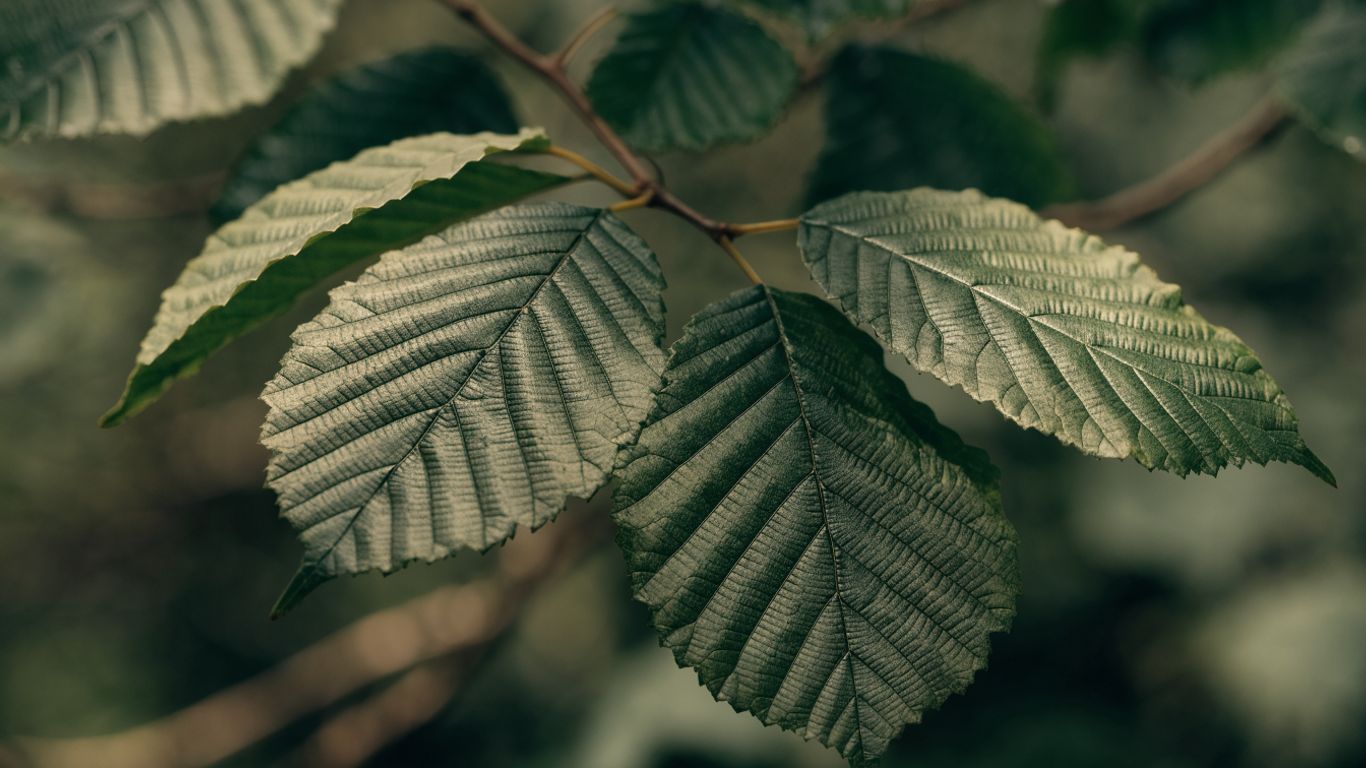
This is the earliest and most reliable sign. Healthy beech leaves are an even green, but infected leaves show dark green bands running between the side veins. Stand under the tree and look up at the leaves against the sky, or hold a single leaf up to the light. The striping shows up much more clearly from the underside.
Thick, Leathery or Curled Leaves
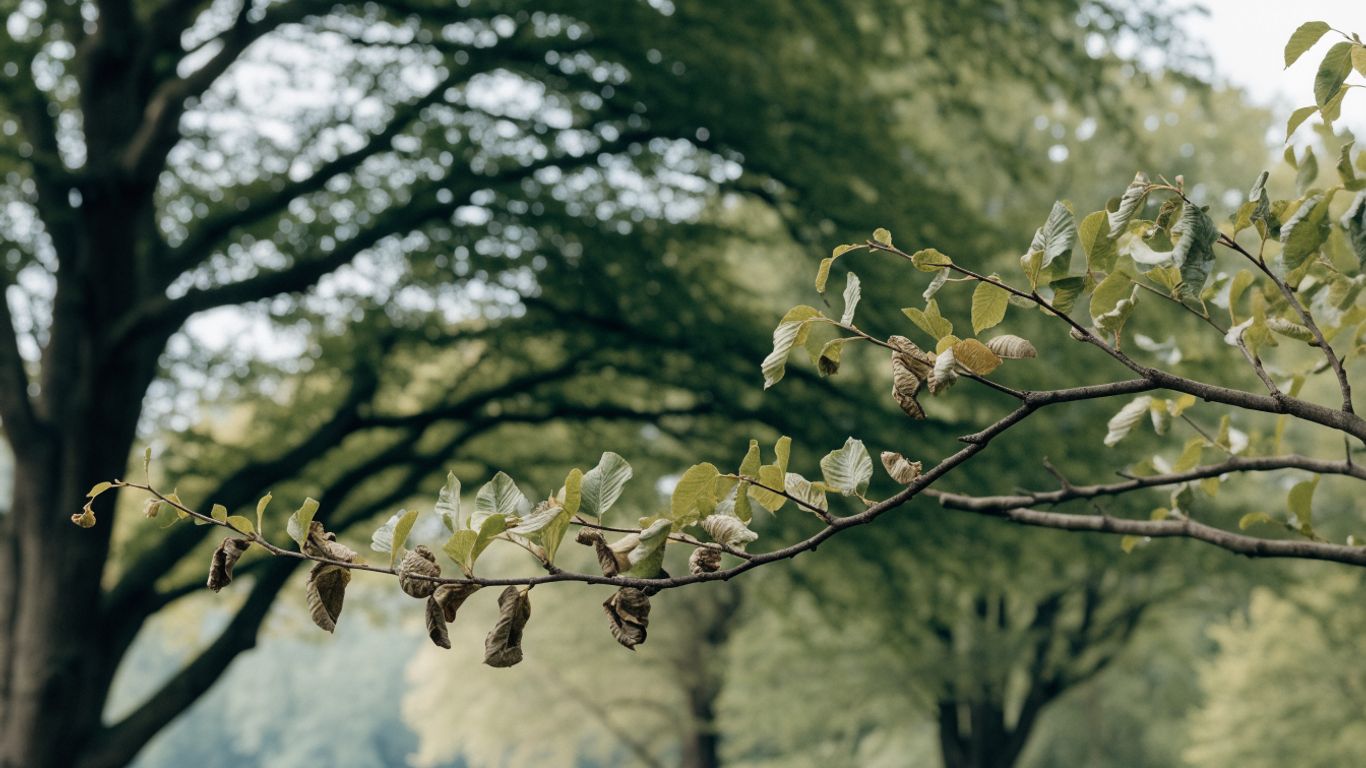
As the disease gets worse, the leaves change shape. They turn thick and leathery, crinkle or curl along the edges, and often look shrunken next to a healthy leaf. Many of them turn yellow as the summer goes on and drop earlier than normal.
A Thinning Canopy From the Bottom Up
Damage usually shows on the lower branches first and works its way up the tree. Over time the crown looks sparse, with gaps where full leaf cover used to be. A beech that once cast deep shade may start letting in noticeably more light.
Buds That Fail to Open
In advanced cases, buds die over the winter and never leaf out in spring, leaving bare twigs. Young trees decline fastest. Saplings can die within a few years, while larger trees take longer to show serious effects. Infected trees also cope poorly with drought and other stress, which speeds up their decline.
Where Is Beech Leaf Disease in Ontario?
Beech leaf disease was first confirmed in Ontario in 2017 in Elgin County, near Lake Erie. Since then it has spread along the shores of Lake Erie and Lake Ontario, reaching as far northeast as the Peterborough area. According to the Government of Ontario, the disease is now found in the lower half of southern Ontario, and traces of the nematode have been detected beyond the area where trees show symptoms.
That last point matters for eastern Ontario. A tree can carry the nematode before it looks sick, which means the disease can be present in an area before anyone notices it. Beech owners in Ottawa and the surrounding townships are well placed to catch it early, simply by knowing the signs and checking their trees each spring.
How Beech Leaf Disease Spreads
How the nematode moves from tree to tree is still being studied. Wind and rain are thought to carry it short distances, and insects may play a part as well. In infected stands, it can spread through a woodlot quickly.
Over longer distances, people are the main concern. The nematode can travel in:
- Beech seedlings and nursery stock
- Leaf litter and soil
- Firewood and other untreated beech wood
Keeping these materials where they are is the simplest way to slow the spread into new parts of the province.
Beech Leaf Disease vs. Beech Bark Disease
Ontario beech trees face two different diseases with similar names, and they are easy to mix up. Beech bark disease, one of the invasive threats that kill trees across Canada, has been around much longer and shows up on the trunk, while beech leaf disease shows up in the leaves.
| Beech leaf disease | Beech bark disease | |
|---|---|---|
| Cause | A microscopic nematode in the buds and leaves | A scale insect followed by a fungus |
| Where to look | Leaves and buds | Trunk and bark |
| Telltale sign | Dark stripes between leaf veins, curled leathery leaves | White woolly patches, cankers and small red fungal bumps on the bark |
A tree can have both at once, and the combined stress weakens it faster than either disease alone.
What to Do If You Think Your Beech Tree Is Infected
If the leaves on your beech look striped or misshapen, a few simple steps will help you get a clear answer and avoid spreading the problem.
Look closely in late spring. Check the leaves from below, against the light, on several branches. Notice whether the lower branches look worse than the top of the tree.
Take clear photos. Photograph a few striped leaves up close on both sides, plus a shot of the whole canopy. Photos taken over two or three seasons make it much easier to tell whether the tree is getting worse.
Report the sighting. Ontario researchers track new cases through EDDMapS, a free online reporting tool used by the Invasive Species Centre. A report from a new area helps map how far the disease has travelled.
Keep leaves and wood on the property. Don’t move fallen leaves, branches, firewood or beech seedlings off site, and don’t share seedlings with neighbours.
Get a professional diagnosis. Leaf scorch, frost damage and other signs of a sick tree can look similar at first glance. Having a certified arborist inspect the tree confirms what you are dealing with before you make any decisions.
Reduce stress on the tree. Infected beeches handle drought poorly, so give the root zone the right amount of water during long dry spells, and avoid compacting the soil or digging around the roots.
What an Arborist Checks on a Suspected Beech
A diagnosis takes more than one striped leaf. During an inspection, an arborist looks at the whole tree and its surroundings before giving any advice.
Leaves from different parts of the crown. Lower branches often show symptoms first, so comparing leaves from low and high in the tree shows how far the problem has progressed.
Bud health. Healthy beech buds are long, slender and sharply pointed. Small, shrivelled or missing buds on the twigs suggest the damage has reached the buds.
Canopy density. Comparing leaf cover with previous years, or with healthy beeches nearby, shows whether the tree is holding steady or declining.
The trunk and bark. A look at the bark rules out beech bark disease, or confirms that the tree is dealing with both problems at once.
Deadwood and structure. Dead limbs, cracks and weak branch unions matter most when the tree stands near a house, driveway or play area.
Growing conditions. Compacted soil, recent construction or long dry spells can make any disease worse. Because soil health has a direct effect on how trees grow, some of these conditions can be improved.
Can Beech Leaf Disease Be Treated?
There is no cure for beech leaf disease yet. Because the disease is so new, researchers in Canada and the United States are still testing ways to slow it down, and the advice is changing as results come in.
For most homeowners, the realistic goal is to keep an infected tree as healthy as possible for as long as possible. That means steady moisture through dry summers, protecting the root zone from compaction and damage, and catching other problems early. A valuable specimen beech near a home may be worth a more involved plan. An arborist who is up to date on managing tree pests and diseases can explain which options make sense for an individual tree, and which don’t.
When Should an Infected Beech Be Removed?
Not every infected beech needs to come down right away. Mature trees can live for years after the first symptoms appear. Removal makes sense when the tree has lost most of its leaves, its buds are no longer opening, or dead branches are starting to drop, the same warning signs that a tree may need to be removed for any species.
Location matters too. A declining beech hanging over a house, driveway, deck or play area deserves a professional check of the tree’s structure and safety, since dying branches become brittle and can fail without warning. When the time comes, taking down a dead or declining tree safely protects your property and the people around it.
If you are replacing the tree, choose a different species rather than another beech, such as one of the trees that do well in backyards. Replacing it with a tree suited to your yard restores the shade and canopy without inviting the same problem back.
Protect Your Beech Trees With Croft Tree Experts
Catching beech leaf disease early gives you more time and more choices. If the beech on your property has striped, curled or thinning leaves, the certified arborists at Croft Tree Experts can take a close look and recommend the right next step. Book a beech tree inspection anywhere in Ottawa.
Frequently Asked Questions
Is beech leaf disease in Ottawa?
Provincial information currently places confirmed cases in the lower half of southern Ontario, from the Lake Erie shoreline east to the Peterborough area. Traces of the nematode have been found beyond that range, though, so eastern Ontario beech owners should check their trees every spring and report anything suspicious.
Can a beech tree recover from this disease?
An infected tree does not shake off the nematode on its own, and there is no cure yet. Large, otherwise healthy trees can hold on for years, especially with good watering and care, while young trees and saplings usually decline much faster.
Does it affect other kinds of trees?
No. It affects beech trees only, including American, European, Oriental and Chinese beech. If a maple, oak or birch has striped or curled leaves, the cause is something else and worth a separate look.
What does it look like in spring?
Right after the leaves open, infected leaves show dark green stripes between the veins, most visible from underneath. Later in the season they become thick, leathery and curled, and many turn yellow and drop early.
Can beech leaf disease affect ornamental trees?
Yes. Along with American beech, some ornamental beech species may be affected. If you are unsure of your tree’s species, include photos and its location when asking for an assessment.
How does beech leaf disease spread?
Researchers are still investigating transmission. Wind, rain, and insects have been considered as possible contributors, but the exact mechanisms are not fully understood.